Introduction
In today’s digital world, many businesses focus heavily on online marketing, but one timeless tool that continues to deliver results is the flyer. A well-designed flyer doesn’t just spread awareness — it can convert prospects into paying customers. The secret lies in design strategy, not just aesthetics.
If you want your flyers actually to drive sales and inquiries, here’s how to design one that converts:
1. Define Your Objective
Before opening your design tool, ask: What is the goal of this flyer?
- Are you promoting a new product?
- Driving traffic to your website?
- Announcing an event or discount?
A clear goal shapes the content, imagery, and call-to-action. Without one, your flyer risks becoming just another piece of paper.
2. Know Your Target Audience
Your design should speak directly to the people you want to reach. Consider:
- Age group (Young people may prefer bold, modern designs; professionals might respond to sleek, minimal layouts).
- Pain points and desires (Highlight how your offer solves their problem).
- Location and culture (Colors, language, and symbols should resonate).
The more you know about your audience, the more persuasive your flyer becomes.
3. Craft a Strong Headline
Your headline is the first thing people see — it must grab attention instantly.
- Use action words (e.g., Save 50% Today, Boost Your Sales Fast).
- Make it benefit-driven (show what’s in it for them).
- Keep it short, bold, and easy to read.
A compelling headline can be the difference between someone keeping your flyer or tossing it.
4. Use Eye-Catching Visuals
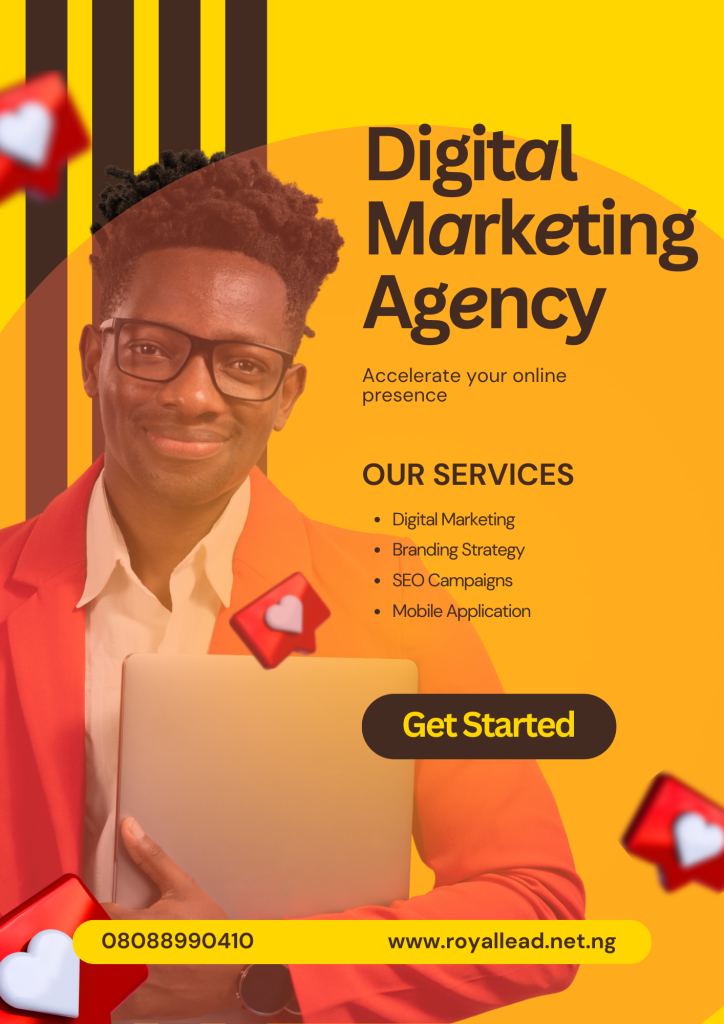
People process visuals faster than text. A high-quality image, bold icons, or relevant graphics can communicate your message instantly.
- Stick to one main image instead of clutter.
- Use colors that match your brand but also stand out.
- Ensure images are sharp and professional — blurry pictures lower credibility.
5. Keep the Copy Simple and Focused
Flyers aren’t essays. They should deliver the what, why, and how in just a few lines.
- Highlight the benefits (not just features).
- Use bullet points for clarity.
- Make the offer irresistible (discounts, bonuses, limited-time deals).
Remember: Less is more.
6. Add a Clear Call-to-Action (CTA)
A flyer without a CTA is like a car without fuel — it won’t go anywhere. Examples include:
- “Call Now for Free Consultation”
- “Visit Our Website to Claim Your Discount”
- “Show This Flyer for 10% Off”
Make the CTA bold, direct, and easy to find.
7. Balance Layout and Design
Good design isn’t about being flashy — it’s about making information flow smoothly.
- Use hierarchy: Headline → Offer → Details → CTA.
- Stick to 2–3 colors for consistency.
- Use legible fonts (avoid overly fancy scripts).
- Leave enough white space so the flyer doesn’t feel crowded.
8. Include Contact Information
Always give customers an easy way to reach you. Depending on your audience, add:
- Phone number
- Website link
- Social media handles
- QR code for instant access
The goal is to remove all barriers between interest and action.
9. Test and Distribute Strategically
Before printing thousands of copies, test your flyer on a smaller audience. Ask for feedback:
- Is the message clear?
- Does it grab attention?
- Would they take action?
Then, distribute in high-traffic areas where your target audience spends time — events, stores, bulletin boards, or even digitally via email and social media.
Conclusion
A flyer that converts isn’t just about looking pretty — it’s about persuasion through design. When you combine a clear goal, audience-focused content, striking visuals, and a strong call-to-action, you’ll transform your flyer into a sales tool that actually drives results.
The next time you design one, remember: every element should lead the reader toward one action — becoming your customer.
Thank you.